Explain the Game
Make It Right
Part 1: children sort Daisy's thoughts into "something I did" or "not true about me" and hear a truer thought. Part 2: they help Daisy make it right by owning it, saying sorry, cleaning up together and making a plan, all taken from the book.
- Grade band
- Grades K to 3 (ages 5 to 9)
- Time
- About 5 to 8 minutes
- Format
- Solo on a device · Small group discussion
- Reading demand
- Thoughts have a read-aloud button.Has natural-voice read-aloud.
- Sound
- Helpful for pre-readers.
- Book connection
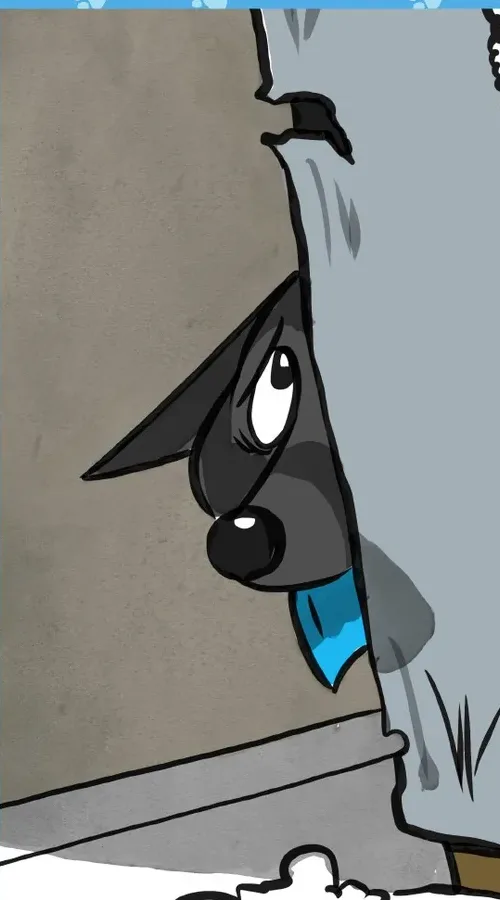
- Daisy Can't Help It, where Daisy hides thinking "I tried to be good!", then says "I'm sorry about the mess. I will do better next time."
Learning objectives
- Students will separate a mistake from who they are.
- Students will name the steps to repair a mistake.
Standards alignment
- CASEL SEL: Self-awareness: self-compassion
- CASEL SEL: Responsible decision-making: repairing harm
Areas are listed by framework. Check the exact standard codes for your grade.
Talk about it afterward
- Does making a mistake make someone bad?
- What can you do to make it right after a mistake?
Extension activity
Write or draw a "make it right" plan for a mistake at school.
Notes and sensitivities
A calming practice, not therapy
This is a general calming and feelings practice for every child. It is not therapy or mental health treatment. If a child seems very upset, bring in your school counselor or social worker.
General education, not medical or mental health advice. See the site documentation for privacy, accessibility and safety notes.